Planning together
Planning a holiday with friends without the plan falling apart
Four chat threads, a note in the glovebox, and nobody knows what is booked. How to collect suggestions in one place, with an author, a status and a map.

Sailing
On a sailing trip the wind decides where you moor for the night. So the plan needs several options for each day, and everyone on board should know them.
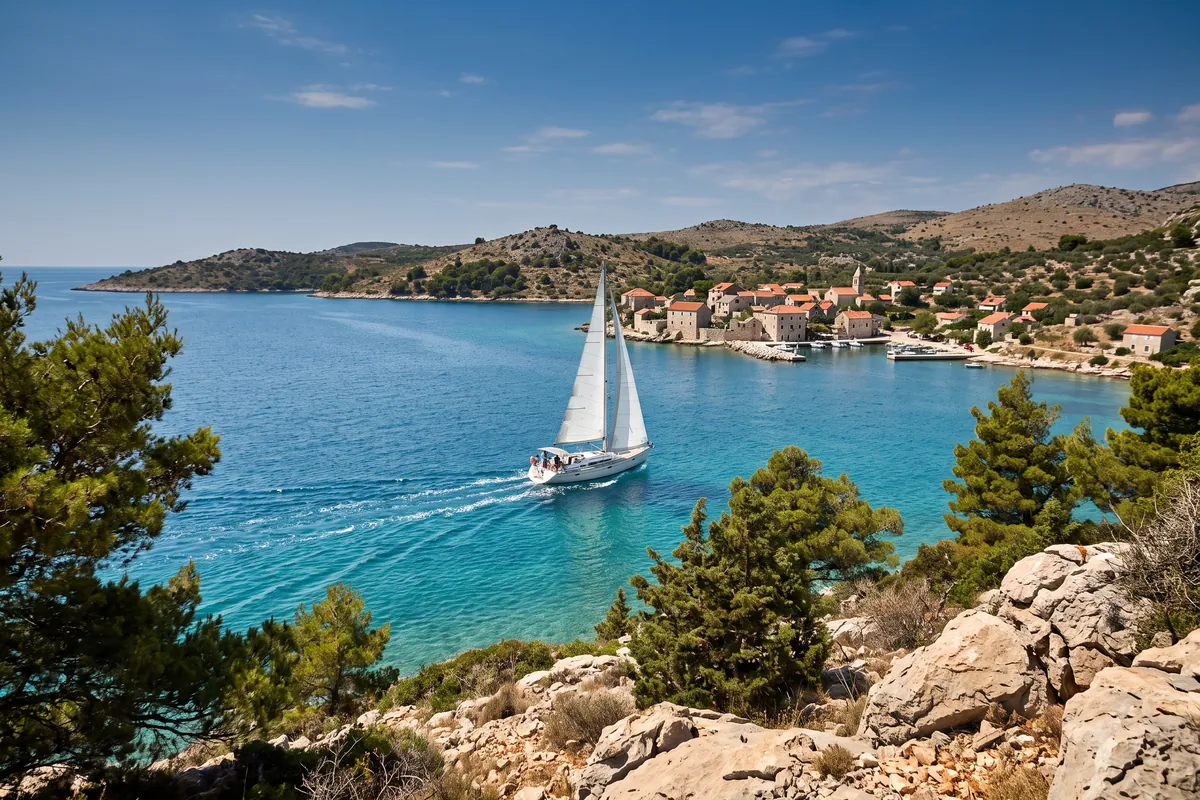
Travelling by car, you plan a route. Sailing, you plan an area: in the morning the wind decides whether it will be the bay to the north today or the harbour to the south. A plan that knows exactly one place for every day is out of date by day two.
In Traveto every place that might work sits on one shared map, and each one has a note on why it is interesting.
Four, six or eight people come aboard, and every one of them has eaten well somewhere or seen a bay that is not in the pilot book. In Traveto everyone adds their own suggestions. Because each one shows a name, everyone knows whom to ask.
Three roles are enough: whoever created the portal invites. Whoever may edit adds and changes. Whoever may only read sees everything but changes nothing. That suits the family at home who want to know where you are moored.
Traveto is not a navigation app. It shows no chart, calculates no nautical miles and knows no weather forecast. Distances and driving times are road values: good for getting to the base and from the harbour into the village, not for the passage across the water. Traveto helps with preparation and with coordination on the way: the whole crew sees the same places, and nobody searches the group chat two weeks later for what the bay was called.
What you found stays in the portal. The good bay from last summer is already on the map for the next trip to the same area, along with the note that you need to arrive early.
No. Traveto replaces neither charts nor plotter, weather forecast or pilot book. In Traveto the crew collects what it wants to call at: harbours, mooring fields, anchorages, and restaurants and shops ashore. Each place has a note and a status everyone can see.
No. Distances and driving times in Traveto refer to roads. They are useful for getting to the charter base, the airport transfer or the walk from the harbour to the supermarket. You plan the passage across the water on board with the tools made for it.
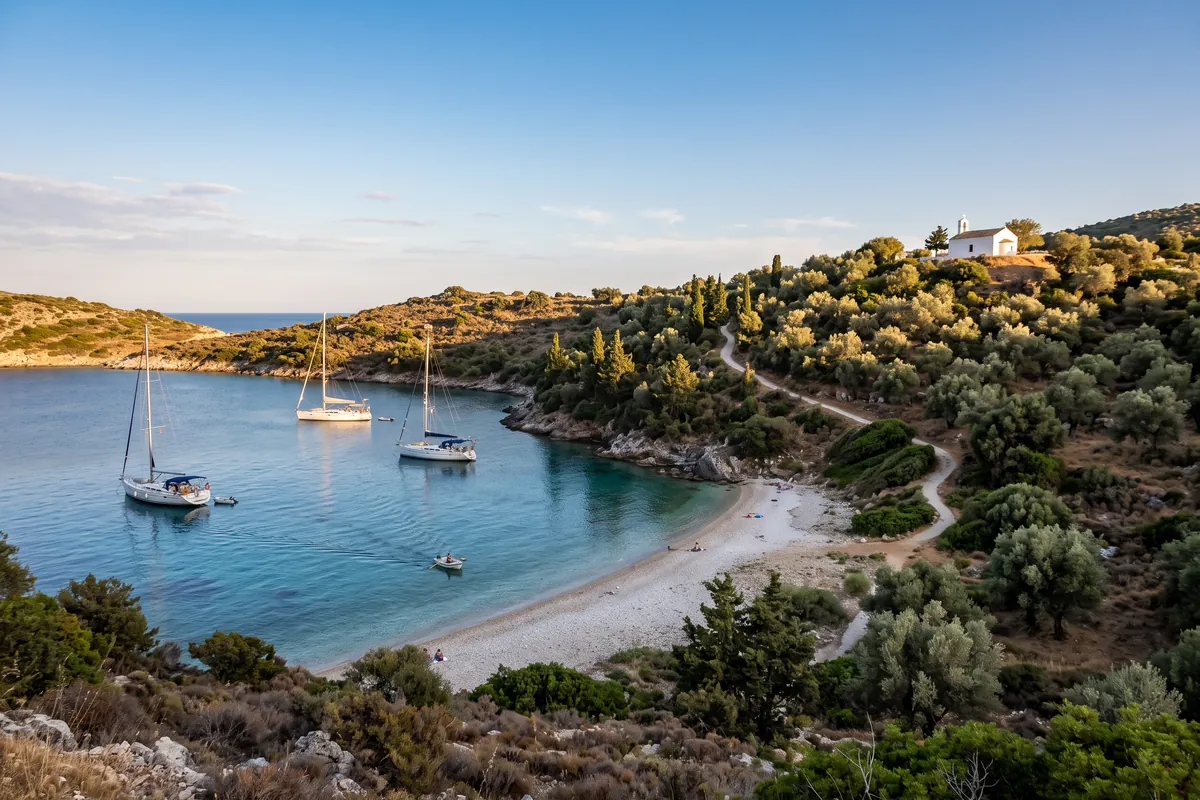
Add harbours and bays as places and give them categories such as harbour, buoy or anchorage. A symbol per category keeps them easy to tell apart on the map. The note says which wind the bay is sheltered from. That way each leg has two or three options side by side instead of one that only works with the right wind.
Anyone who plans along does: every suggestion carries the name of whoever added it. Anyone who only wants to look gets a link to the trip and needs no account.
Yes. Paste a place link shared from Google Maps when adding a place, and it appears on the map with its position. A link that only carries a position gets a name from you, which is useful for a bay without its own entry.
Set up the trip before the boat is booked and bring the crew in. The account is free.
Start for freePlanning together
Four chat threads, a note in the glovebox, and nobody knows what is booked. How to collect suggestions in one place, with an author, a status and a map.
Planning together
Four people, four packing lists, three stoves and no extension lead. Why a shared list is less work and what belongs on it.
Planning together
With two, a conversation is enough; from six you need roles. What changes with every group size and when unanimity stops working.