
Hotel
Planning a hotel holiday: the base and the days in between
Booking a hotel is half the planning. The other half are the days in between — and those are decided by where the hotel is.
Published Reading time 7 min Updated
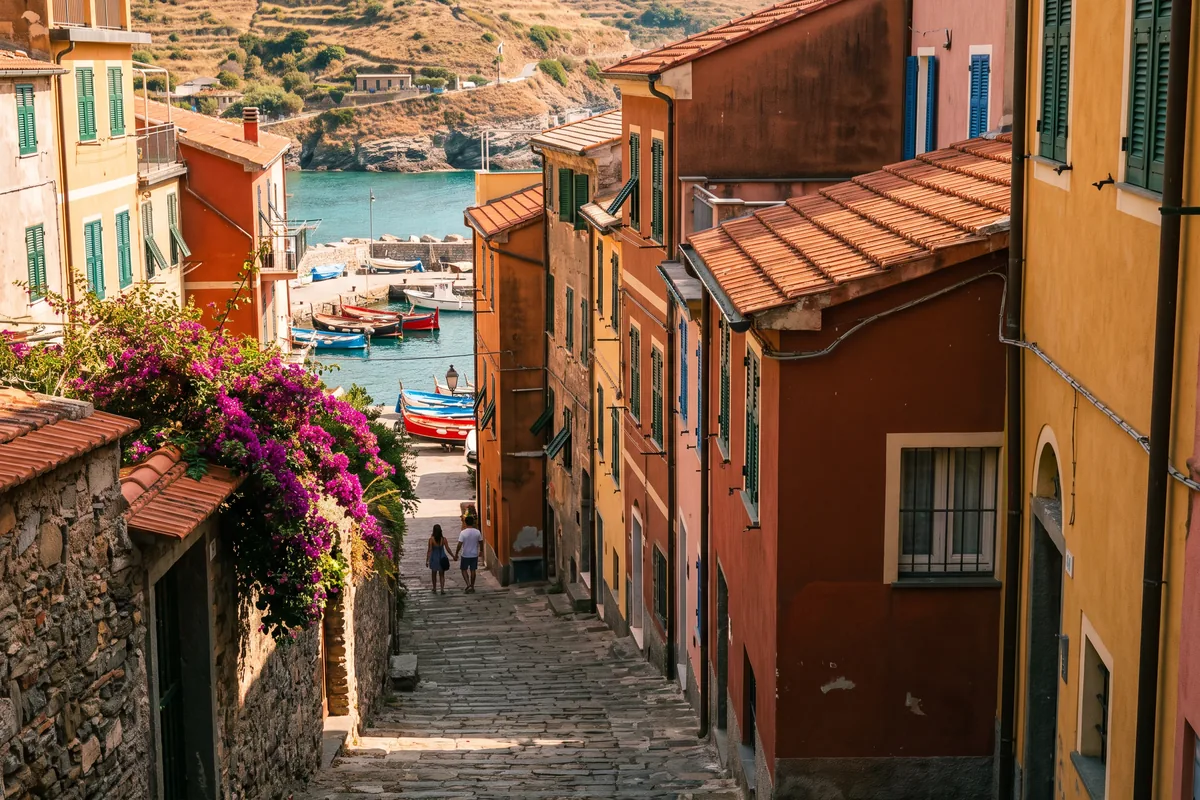
With a hotel holiday the planning looks simple: one place, one booking, done. That is exactly where the mistake lies. The booking answers the question of where you sleep. It does not answer the question you then ask afresh every morning: where to today?
And that second question is decided by the first, without anyone noticing at the moment of booking.
The hotel is a location decision
Hotels are compared by room, pool and breakfast. Those are the things you can see in photographs. What you cannot see in photographs is the position relative to everything you intend to do — and that is the property that shapes the holiday.
An example almost everyone knows: two hotels on the same island, same category, €30 apart. The cheaper one sits so that three of the four things you wanted to see are an hour's drive away — each way. Over a week that is eight hours in the car, for a saving of €210.
That is why the list of places belongs before the hotel decision, not after it. Collect first what you want to see. Put it on a map. And then look for accommodation in the area where those points cluster.
Two kinds of place that have to sit side by side
In a hotel holiday there are two kinds of entry, and they tend to be kept apart — the accommodation in a booking confirmation, the day trips in a browser tab or nowhere at all.
Places to stay are where you sleep. There are few of them, they are binding, they cost money in advance.
Day destinations are places where you spend a few hours. There are many, most are non-binding, and half of them you never get to.
The gain appears when both lie side by side on the same map: the booked place next to the one still open, and the day destinations around them. Then it is visible at a glance what is within reach and what is not — and the debate "is that far?" is settled before it starts.
Planning the days in between without scheduling them away
The most common advice is to plan every day through. The second most common is to plan nothing at all. Both go wrong: one turns the holiday into a calendar, the other costs half an hour of discussion every morning and often ends at the nearest beach.
What works in practice lies in between:
- Collect more destinations than you have days. For seven days, twelve to fifteen suggestions is fine. It is a stock, not a list to work through.
- Order them by area, not by date. What lies close together belongs on the same day — that is the actual work, and a map does it almost by itself.
- Put a date only on the two or three things that need one. The boat trip that only sails on Tuesdays. The museum that closes on Mondays. The rest stays freely movable.
- Decide in the morning from the stock, not from nothing.
The difference from "not planning at all" is that the suggestions are already there, already located and already belong to somebody. The decision takes five minutes instead of forty-five.
What "check" prevents
The one entry that reliably ruins a day of the holiday is the one where something is not right and nobody looked it up in time. The ferry that only sails on certain days. The cave you have to pre-book tickets for. The restaurant that is closed in March.
None of these are disasters — as long as they come up beforehand. That is why it helps if a suggestion can be not only "idea" or "booked" but also "check": somebody found something that might speak against it, and it stands there visibly until it is settled.
The same goes for the gap — the transfer from the airport that nobody has entered anything for. It is not missing secretly, it is missing visibly.
In a group: the suggestions belong to everyone
For a hotel holiday, what holds for every trip with several people holds too: if one person prepares everything, the others are given a holiday rather than one they helped build. The name of whoever brought it in, next to every suggestion, is the simplest way to change that.
With families a second point comes in: not everyone wants the same thing. Whoever collects all the suggestions before sorting sees early whether the planned day does not work for the children or for the grandparents — and not at eleven in the morning in the car. More on that in Planning a holiday with friends.
A week's hotel holiday, planned in six steps
- Settle the dates and the group. Only that.
- Collect destinations before looking for the hotel. Everyone may throw something in.
- Put the destinations on the map. Now the centre of gravity shows itself.
- Look for accommodation in that centre — and when in doubt, put the location above the amenities.
- Fix what is tied to a date, nothing else.
- Name the things to check and the gaps, while there is still time to settle them.
The difference from a tour
With a base you plan one place and many days. On a tour it is the other way round: many places, each for one night. The same map helps both times — but the order in which you make the decisions is a different one. What it looks like on the other side is in Planning a motorcycle tour and Planning a caravan holiday.